Achieving Agility Series: Article 1 of 12
This is the 1st in a series of 12 articles I’m writing to share my insights and experience with successful, failed, partially successful, and successful for a while and then died… organizational transformations. See my opening article on Achieving Agility.
Leadership gut check
10 questions leaders can ask themselves to assess their readiness to lead an organization through a transformation to a future product and agile operating model and culture leveraging modern technologies:
- Am I committed to continuous learning and personal growth, both in terms of technical skills and leadership capabilities, to adapt to the evolving needs of the organization during the transformation?
- Do I possess the humility and willingness to listen to diverse perspectives within the organization, valuing input from team members at all levels, and fostering a culture of open communication and collaboration?
- Can I effectively communicate a compelling vision for the transformation and align the organization’s goals and values with this vision to inspire and motivate my team?
- Am I prepared to make tough decisions, even if they are unpopular, to prioritize the long-term success of the organization over short-term gains or personal comfort?
- Do I have the ability to empower and trust my team, delegating authority and fostering a sense of ownership among team members, while providing the necessary support and resources for them to succeed?
- Can I demonstrate resilience in the face of setbacks and uncertainties, maintaining a positive attitude and helping the organization adapt to change while managing resistance effectively?
- Am I well-versed in the principles of agile methodologies and can I champion the adoption of agile practices within the organization to enhance responsiveness and flexibility?
- Have I built a diverse and inclusive transformation team that can bring a variety of perspectives and skills to the transformation process?
- Can I effectively manage change, including addressing potential resistance, building a change management plan, and ensuring that the organization remains focused on the transformation’s goals?
- Have I developed a clear and actionable strategy for measuring and tracking transformation progress, including key performance indicators (i.e. OKRs) and milestones?
Reflecting on these questions can provide leaders with valuable insights into their readiness to lead an organization through a transformation to a new product and agile operating model and culture. It encourages self-awareness and helps leaders identify areas for improvement to successfully guide the organization through the change process.
What do you mean transform?
Before we go to deeper into leadership, let’s level set. What are we transforming exactly? And why? What we are transforming includes:
- The organizational culture (mindset, attitudes, understandings). Norms (teams exploring and embracing shared values and expectations).
- Data-Driven Decisions – Methods of collecting feedback (data) from users and customers as well as internal sources like management, leadership, and investors, and prioritizing improvements based on relative BUSINESS value from the perspective of the ultimate end beneficiaries.
- Value Alignment & Decision Making – Using Lean Portfolio Management to prioritize value based investments executed by persistently funded product/service owners utilizing small empowered agile teams to problem solve, innovate and incrementally delivery value based on highest value.
- Funding – Fund Valuestreams, which are your offerings (aka, products and services) and use incremental exploration funding using methods and frameworks like Design Thinking vs. project based.
- Human Resources (team based success metrics, dynamic roles and fluid position descriptions that ensure work done is aligned to a value stream)
- How we organize people and other assets to optimize productivity (agile teams focused on “value” not “work” delivery)
- How we develop solutions (emerging architecture, iterative human centered design-thinking, modern development methods like test-driven development, and code management like micro-services, containers, and API and function driven everything)
- And how we deploy improvements to existing products and services as well as net new ones (CI/CD & DevOps)
Many organizations call it Business or Enterprise Agility, or Organizational Agility. Some call it Digital Transformation. Some call it Modernization. Some call it Project-to-Product (P2P). Regardless of what phrase you’ve come to call it, they share many of the same drivers, goals, and challenges.
For you AI folks, drop this question into your AI engine of choice and see what it spits out: “What are the top 8 things that change in an organization when they shift from traditional command and control structure, culture and management style, to a modern agile organization leveraging a product operating model and agile methods for design, development, delivery and support?”
What’s driving most organizations
What’s driving most organizations are advancements in technology, the global internet connected world, and the speed at which innovation and competition evolves. Along with those accelerating changes, the expectations of customers are increasing. The reward of success is more innovation (easier consumption of products and services and greater value) is required in order to retain customers, market share, and/or expand. Customers expect seamless, frictionless, and 24×7 available products, services, and support. Think of shopping for a job, car, home, insurance, furniture, clothes, vacations, a date. Ordering food. Finding a ride. Doctor. And then there’s COVID driving a global work from home norm that helped the world realize that driving to work and sitting in a office everyday wasn’t a true “hard requirement” for millions. This opened many organizations up to the idea of hiring resources from distant locations, even internationally, expanding available talent pool as well as job opportunities for many.
Organizational Goals
Most organizational goals are similar based on sector, but goals can vary widely depending on whether the organization is a private for-profit, public service (e.g. governments), or non-profit. For private, the goals are usually revenue, improved market share, strategic alliances that lead to growth, increased margins, and higher user and customer ratings, degree of “greenness”. For public service, the goals are evolving greatly today, but it’s largely meeting legislation mandates and achieving public impact goals, and environment goals. For non-profits, it can vary even more widely based on the purpose of the organization. You could say the goal of every organization is to be viable and achieve it’s mission and core purpose for existing.
Organizational Struggles
Organizations struggle with meeting the fast changing and increasing expectations of customers-consumers. Customer expect organizations to provide intuitive and 24×7 multi-channel (websites, mobile apps, interactive voice systems, etc.) access to the organizations core products, services, and support. And they expect the experience to be fast, easy, and effective.
As organizations accept these ever-increasing dynamics, they struggle to keep pace because of the amount of technical debt, the style in which decisions are made historically, and their traditional organization structures do not encourage innovation or promote distributed decision making by empowered and motivated teams.
We cannot solve our problems with the same thinking we used when we created them!
Albert Einstein
Something has to change – Enter Modern Leadership
I’m going to highlight the most important aspects of “modern” leadership that are essential to helping an organizational transformation succeed as quickly and as profitably as possible.
Leadership MUST be pro-actively involved in planning and supporting change, and Leaderships must change first!
Transformations will be more successful the more top leadership is actively involved. Period. But HOW they are involved is equally important. Gone are the days where employees need someone hovering over them telling them exactly how to do every step. Employees in modern organizations are educated, connected, and empowered by instant access to a sea of information, free self-paced learning, and a network of peers and mentors. Staff don’t need leadership to show up as a teacher or a parent. Instead they need to understand the vision of the organization, how success is defined from the customer or market perspective, and they need unlimited support and to be constantly asked ONE critical question.
“What is getting in your way of having maxim impact?”
In his book, Turn the ship around, David Marquet tells an amazing true story of his leadership journey and transformation. It wasn’t easy. It wasn’t quick. But it was life and organizational changing and the results, while not the typical business model, were nothing short of astounding.
We are programmed to take control and attract followers. Instead you need to give control and create leaders.
David Marquet, Turn this Ship Around
Collaboration: Modern leadership emphasizes collaboration and teamwork, fostering a culture of cooperation and communication among team members to leverage diverse perspectives for better outcomes.
Empowerment: Modern leaders empower their teams by delegating authority and responsibility, trusting team members to make decisions and take ownership of their work.
In Jim Collins book Good to Great, the authors researched over 1,400+ companies and found 11 stood out above all others as effectively transforming. I’m going to highlight two points.
Level 5 Leadership
Every good to great company had Level-5 leadership during their transition years.
Jim Collins
Coined by management expert Jim Collins, it represents the highest level of leadership effectiveness. It is characterized by a rare combination of personal humility and professional will, where leaders are genuinely humble and modest yet fiercely committed to achieving long-term organizational greatness. During organizational transformations to a new operating model, Level 5 leadership is crucial because it helps foster a culture of trust, resilience, and sustainable change. Leaders with these qualities inspire and empower their teams, ensuring that the organization navigates the complexities of transformation with a focus on enduring success rather than short-term gains.
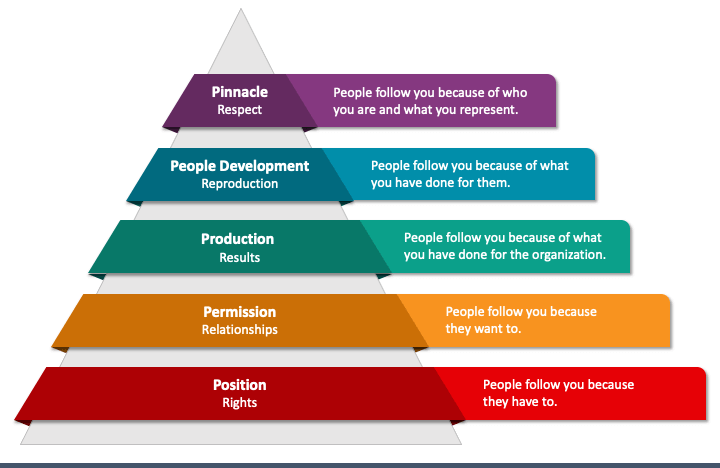
In John C. Maxwell’s book, 5 Levels of Leadership, he has a similar 5-level pyramid model that has stuck with me for many years.
First who then what
Get the right people on the bus, get wrong people off, then figure out where to drive it.
Jim Collins
Jim Collins’ phrase “get the right people on the bus” emphasizes the critical importance of having the correct individuals in key roles within an organization. It means that during organizational transformations to a new operating model, leaders must ensure that they have the right talent and skill sets in place to drive the change effectively. This concept is crucial because having the right people onboard ensures that the organization can adapt to the new model with competence and commitment, increasing the likelihood of successful transformation and sustainable growth.
Robert Wallace first published this article on LinkedIn here.
Talk to the expert

Robert Wallace
Director of Enterprise Agility
Robert.Wallace@trissential.com
Learn more about Trissential’s Digital Solutions